
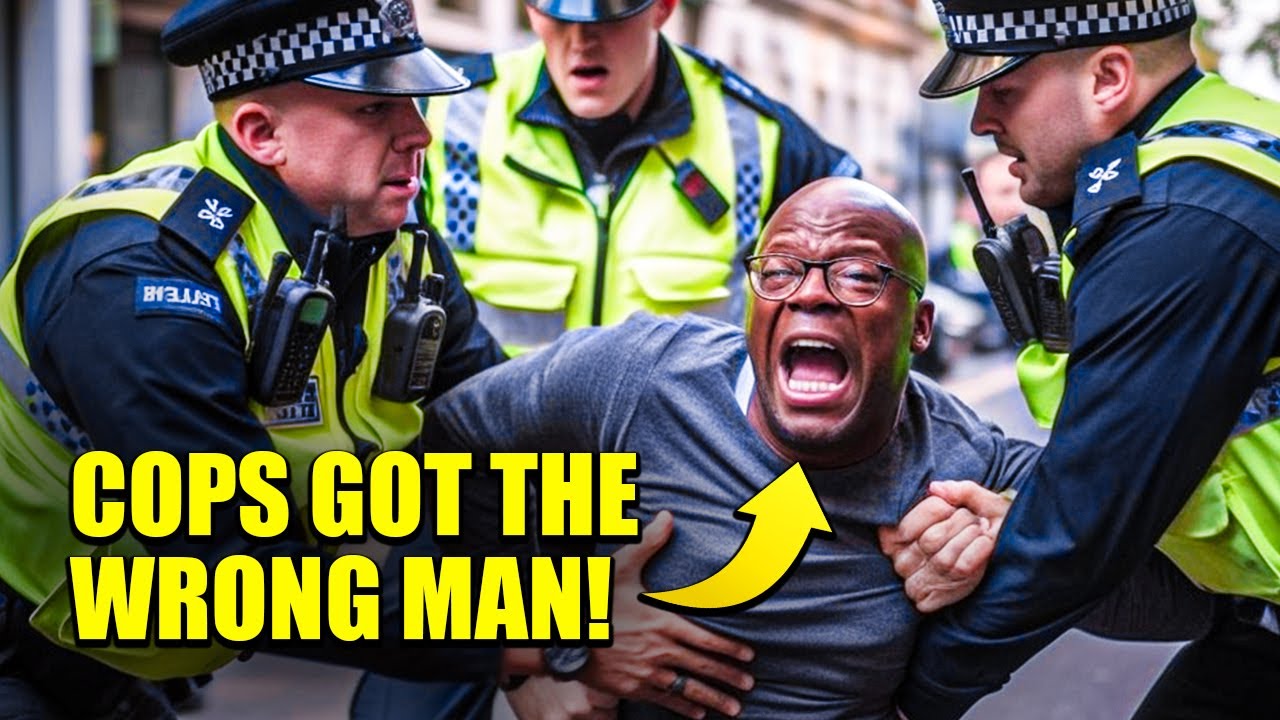
Imagine you’re driving along when police lights suddenly appear behind you. The officer demands your ID and registration. But instead of complying, you decide to question the legality of the stop itself. Can someone really assert their rights during a traffic stop? In 2026, with bodycam footage now embedded in nearly every patrol encounter and new state-level reforms reshaping the rules of engagement, that question carries more legal weight than ever.
Driver Refuses to Provide Documents, Citing Rights
In one case, a routine traffic stop takes an unexpected turn when the driver refuses to provide identification or registration. He questions the officer’s authority for the stop, citing constitutional rights. This leads to a heated debate with the driver quoting legal precedents to defend his stance.
Standoff Ensues as Driver Stands Firm on Rights
Tensions escalate as the driver remains resolute. When threatened with broken windows and forced removal, he stands firm – insisting the officers have no jurisdiction over him. A tense standoff results from the clash between the individual’s rights and law enforcement’s authority.
Driver Believes License and Speed Limits Don’t Apply
It turns out the driver believes he doesn’t need a license or have to follow “corporate” speed limits. When pulled over, he refuses to show ID, claiming the officers lack authority. He demands his passport back, stating his freedom of travel is being violated. But does he actually have legal ground to stand on?
10th Amendment Comes Into Play Regarding Traffic Laws
This relates to the intricacies of the 10th Amendment. If the Constitution doesn’t explicitly grant the federal government a power, it falls to the states or individuals. This includes traffic laws, which each state regulates itself. The driver’s grasp of rights collided with a complex web of laws.
The broader picture reinforces how contentious these encounters can be. An October 2025 ACLU report found that millions of Americans are pulled over each year for minor infractions such as broken taillights or tinted windows, and that data shows these stops rarely achieve meaningful public safety outcomes (ACLU, “Why Police Traffic Stops Are Dangerous and Ineffective,” October 2025). Meanwhile, a 2025 Stanford Open Policing Project update tracking over 200 million stops across dozens of U.S. jurisdictions continues to show significant racial and geographic disparities in who gets stopped and how those stops proceed.
Officers Back Down After Realizing Man Knows His Rights
After a heated exchange, the officers realize this individual is well-versed in his rights. They deliberate and eventually return his passport without issuing any citations. This shows the power of knowing your rights and remaining calm against authority.
What’s Shifting in 2026
The legal landscape around traffic stops has changed measurably since this footage first circulated. Several states have passed laws restricting pretextual stops – stops initiated on minor equipment violations that officers use as a pretext to investigate something else. Minnesota led the way in 2023, and by 2026 similar legislation is under active review or in effect in a growing number of states, according to the National Conference of State Legislatures (NCSL).
Bodycam requirements have also expanded. As of 2025, the National Police Foundation reports that the majority of mid-size and large police departments in the U.S. have adopted mandatory bodycam policies, a figure that has more than doubled since 2020. That changes the dynamic for drivers asserting their rights: every word is on record, for both sides.
On the “sovereign citizen” argument specifically – the belief that individuals can opt out of state traffic codes – courts have consistently rejected it. No federal or state court has upheld the claim that a driver is exempt from licensing or speed limit requirements because those rules are “corporate” in nature. Knowing the difference between a legitimate Fourth Amendment challenge and a legally unsupported position matters if you want the outcome shown in the video rather than an arrest.
The takeaway? Understanding the law can lead to positive outcomes, even in tense police encounters. Knowing your rights is essential – for both citizens and law enforcement officers.