
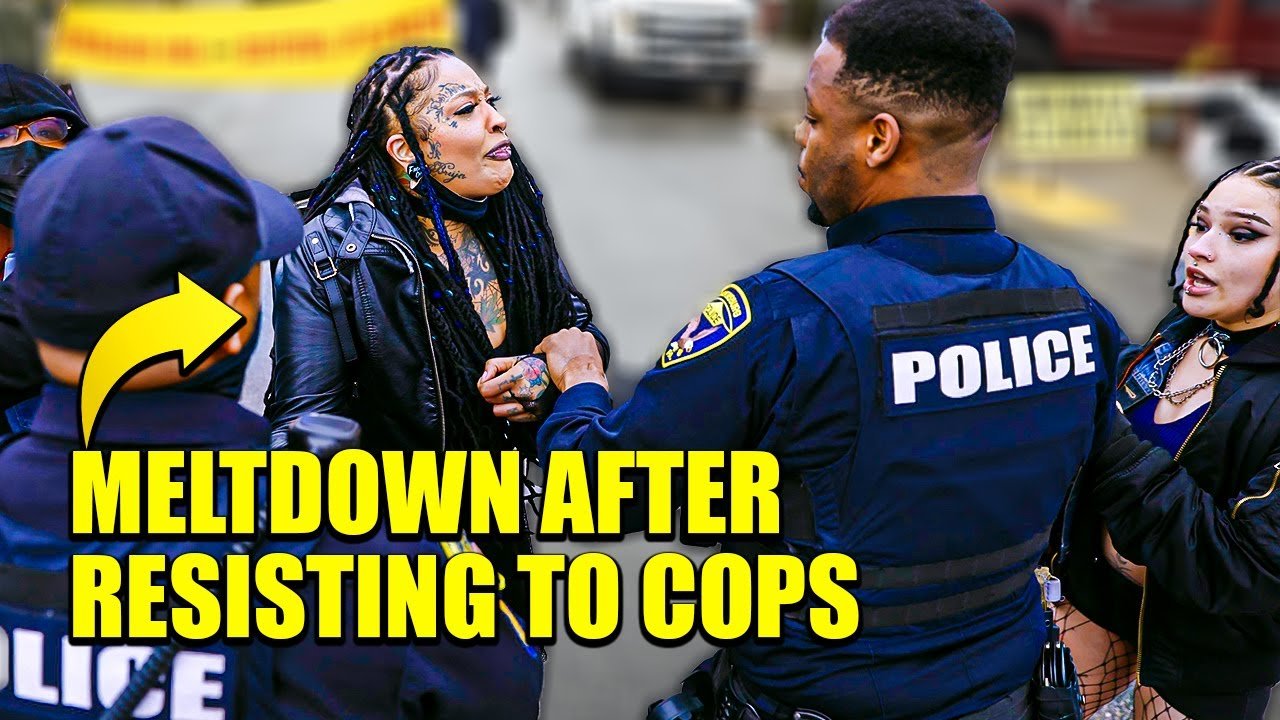
This post examines a dramatic incident stemming from a domestic dispute between siblings with opposing political views. The confrontation documented here reflects a dynamic that has become more common across the United States in recent years: political identity bleeding into domestic life until someone dials 911.
Distress Call Summons Police to Diffuse Family Quarrel
It begins with a 911 call summoning police to defuse an escalating fight between sister Marissa and her 27-year-old brother Alo. Their long-standing political disagreements had reached a boiling point, requiring police mediation in this delicate situation heightened by personal connections and emotions.
Dispute Rooted in Polarized Political Beliefs
Marissa, advocating progressive ideals, clashed with Alo, staunchly supporting conservative blue lives matter views. Their once civil dinnertime debates had degraded into loud arguments and accusations. Fearing further escalation, Marissa reluctantly called 911 as tensions mounted.
Pew Research Center's ongoing political polarization studies document a steady rise in partisan animosity since 2000. By 2024, large majorities in both parties reported viewing the opposing party not just unfavorably but with active hostility. Households divided along ideological lines are not outliers anymore. They are a documented demographic reality.
Man Resists Questioning, Sparking Adversarial Exchange
When officers arrived to question Alo regarding the dispute, he brushed them off, refusing to cooperate. This confrontational response set an adversarial tone, despite officers emphasizing they just wanted to understand what happened.
Tensions Rise as Man’s Associates Confront Police
Further complications arose when Alo’s blue lives matter associates arrived, confronting the officers and expecting preferential treatment. But law enforcement roles don’t align with political affiliations. As tensions rose, Alo was arrested for non-violently resisting officers.
What 2026 Data Shows About Politically Charged Encounters
According to the Bureau of Justice Statistics Police-Public Contact Survey, roughly 61 million U.S. residents reported a face-to-face encounter with police over a recent 12-month period. Domestic and family disturbances consistently rank among the most frequent reasons for dispatch. Officers responding to those calls carry no obligation to align with the political identity of any person present.
Research published in 2024 by Morris et al. (Cambridge University Press, cited 69 times as of mid-2026) found that narratives around policing now directly shape civic behavior in polarized communities. That finding cuts both ways: civilians who frame police as ideological allies sometimes expect deference officers are not legally authorized to provide. The video above shows exactly what happens when that expectation meets reality. The law does not recognize Blue Lives Matter membership as a credential.
Two incidents in early 2026 underlined how these dynamics play out outside domestic settings as well. A confrontation during former Special Counsel Jack Smith's House Judiciary hearing in January required officers to intervene between political figures. In May, a Fairfield, California high school student described lasting trauma after a campus police confrontation that was filmed and shared widely. Public scrutiny of police-civilian friction is higher in 2026 than at any point in the past decade.
Reflection on Lessons Learned
This incident reveals the importance of remaining calm, cooperative, and communicative when interacting with police, while exercising rights respectfully. Though individuals can stay silent, cooperation aids resolution. Resisting arrest, even non-violently, can have significant legal and social consequences.
By reflecting on these lessons, we can help foster positive interactions between citizens and law enforcement, contributing to a more harmonious society.